Functional Testing and QA Support for a VR Training Platform
Industry
Country
Type of Service
Cooperation Type
Project Type
Overview
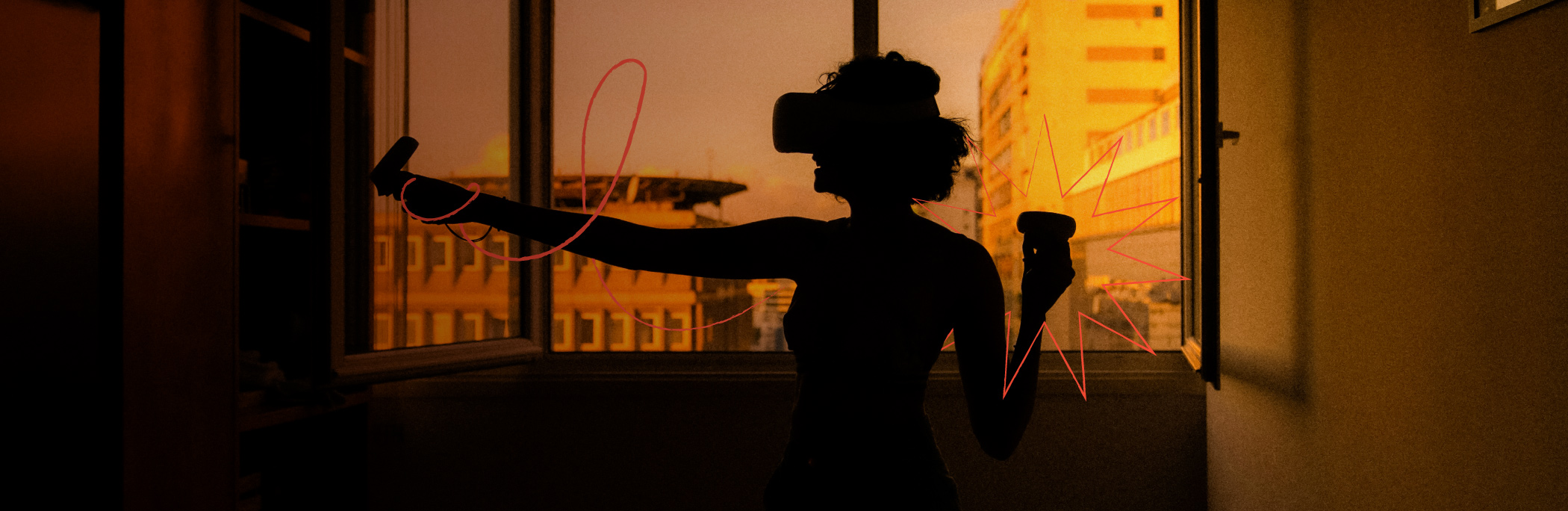
The client* is a UK-based company developing interactive VR training simulations. These are solutions for teaching soft skills around communication, employability, and leadership to higher education and healthcare students. The platform, built with Unity, delivers immersive learning experiences across desktop and VR devices.
* We recognize the importance of protecting our clients’ privacy and follow the policies to maintain their confidentiality and security. That is why the company name will not be disclosed.
Challenge
The company approached us for support with manual testing. The client was preparing to release a new version of their training simulation platform and needed manual QA support for the Beta and Gold stages. Their main focus areas were:
- Script-to-screen accuracy.
- Avatars and animation behavior.
- Voice prompts and direction.
- Gaze direction tracking.
- Closed captions.
The task came with several challenges that are common for this kind of software and this specific maturity level. In particular, the QA team was to deal with:
- Tight timeline—less than three weeks between Beta and Gold stages.
- Testing interactive voice and avatar behavior, which required alignment with training scripts.
- Coordinating feedback and bug tracking across multiple channels (Jira, TestRail, and Slack).
- Separate planning for VR component testing due to device availability and lower priority.
Solution
Our collaboration began with functional testing of a new product entering the Beta stage, followed by broader discussions around longer-term QA support.
The client requested that testing exclude areas such as accessibility, login and profile management, menus, settings, and debug features. Hence, our initial work scope was limited to testing the desktop version, with VR (Meta Quest 2) treated as a secondary priority.
After finalizing the cooperation details and coverage, we assigned a manual QA engineer who could start immediately. Upon the client’s approval, we:
- Set up a shared communication channel (Slack).
- Integrated into their workflow using Jira and TestRail.
- Received access to testing documentation, builds, and training scripts.
- Tested the Beta and Gold builds of the simulation, following the provided schedule.
- Reported issues in real time, focusing on visual alignment, functional bugs, and discrepancies in avatar and voice behavior.
The platform used for primary testing was a Windows PC, with a VR setup planned as needed.
Results
- Full manual testing cycle successfully completed within the agreed timeline. It allowed the client to proceed with their planned release schedule without delays.
- Over 25 issues identified and logged across Beta and Gold stages. Each issue was thoroughly documented with reproduction steps, severity classifications, and multimedia files.
- QA process smoothly integrated with the client’s internal team. This collaboration included efficient communication channels, synchronized workflows, and shared access to project materials.
- Positive client feedback on testing coverage and communication. The client highlighted the thoroughness of test execution, the clarity of defect reporting, and proactive status updates.
Let’s Start a New Project Together
QA Madness helps tech companies strengthen their in-house teams by staffing dedicated manual and automated testing experts.